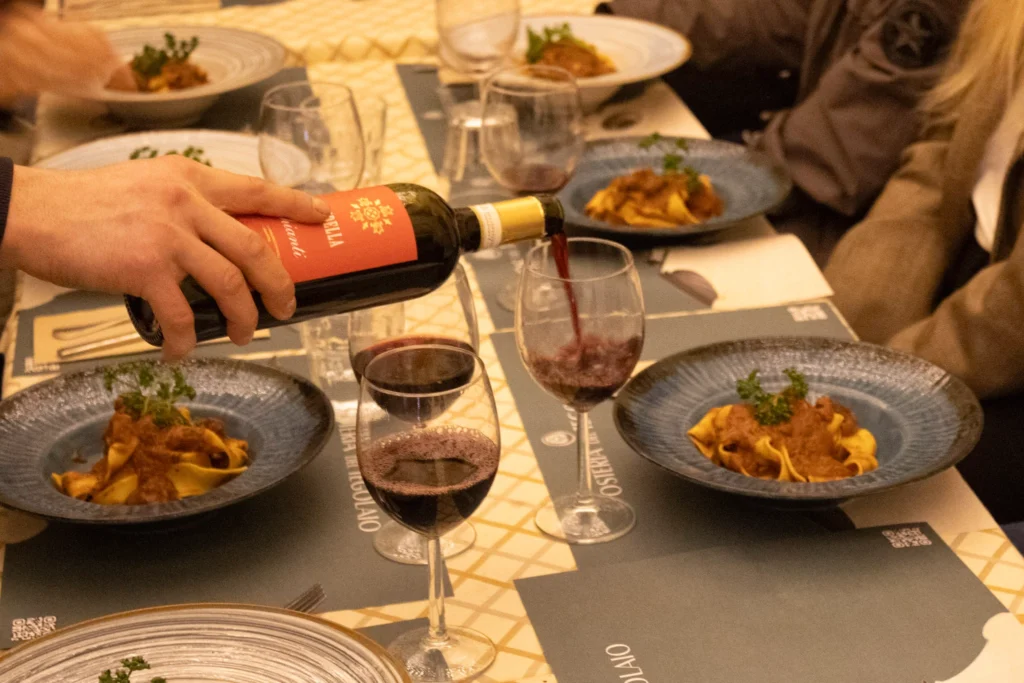


The festive season in an Italian household means many things: food, family, and economically irresponsibly investment in an LED-illuminated nativity scene. It also means that for the entire month of December, breakfast skews sweet (or sweeter than the usual fare of coffee and a cornetto), seasonal, and unapologetically indulgent.
And in most Italian homes, that means one of two things on the table: Panettone or Pandoro.
But herein lies the conundrum. Which one is better? Ask a room full of Italians, who could make a national sport of talking about food, and the debate grows more heated than politics or football. In my own extremely scientific research (by which I mean asking a handful of Italian friends), loyalties are fierce. Few dare to declare their love for both, as though such neutrality might undermine the very spirit of Christmas.
So, before you take sides in this great holiday duel, let’s look more closely at these two beloved festive treats.
Panettone: Milan’s Gift to Christmas
Panettone is the sweet symbol of the Milanese Christmas table, a dome-shaped confection of flour, butter, eggs, sugar, and fragrant bits of candied citrus and sultanas. Its true origins are hazy, as are most Italian inventions that stretch back more than 100 years.
But where history comes up short, mythology is more than happy to compensate.
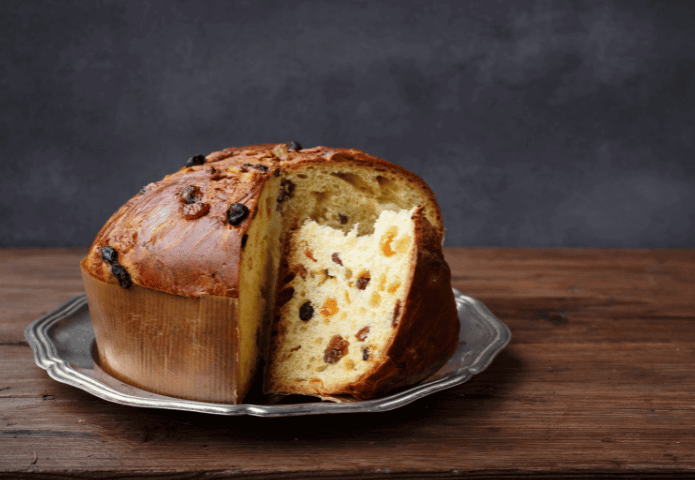
One popular legend stars Ludovico il Moro, the Duke of Milan, whose lavish Christmas Eve banquet in 1495 was almost ruined when the kitchen’s dessert burned. A young baker boy named Toni, having experimented with leftover dough enriched with butter, eggs, raisins, and candied fruit, bravely offered his creation as a replacement — no doubt risking his head in the process. Thankfully for Toni, the dessert was a triumph, and when word spread the cake became known as pan di Toni, which over time morphed into the name we all know: panettone.
Another origin story, also set in the fifteenth century, concerns a young man who fell in love with the daughter of a baker — also conveniently called Ton (the baker that is, not the daughter). Now, as anyone who’s spent time in Italy will know, winning over Italian parents can be tricky, and any serious diplomatic approach should ideally involve food. So this young man baked Toni this sweet bread as a gesture of intent, and (presumably) in doing so won the heart of his beloved. Who let’s pray was not celiac.
Panicked kitchen experimentation and yeast-laden declarations of love aside, what we can say with certainty is that the modern panettone owes much to Angelo Motta, who in 1919 revolutionised the recipe by tripling the leavening time, wrapping it in signature paper, and giving it its iconic tall, airy structure. His rival, Gioacchino Alemagna, later refined the formula and helped transform panettone into the national Christmas heavyweight it is today.
Pandoro: Verona’s Golden Star
Travel east to Verona, the city of Romeo and Juliet, and you’ll find a better love story than that five-day teenage tragedy in the glamorous, buttery dessert we fondly know as pandoro. Its name means “bread of gold”. I mean, of course it does. Italians love ascribing “of gold” to tasty, novel food. Just take the humble tomato, “pomodoro” in Italian, which literally translates as the “golden apple”.
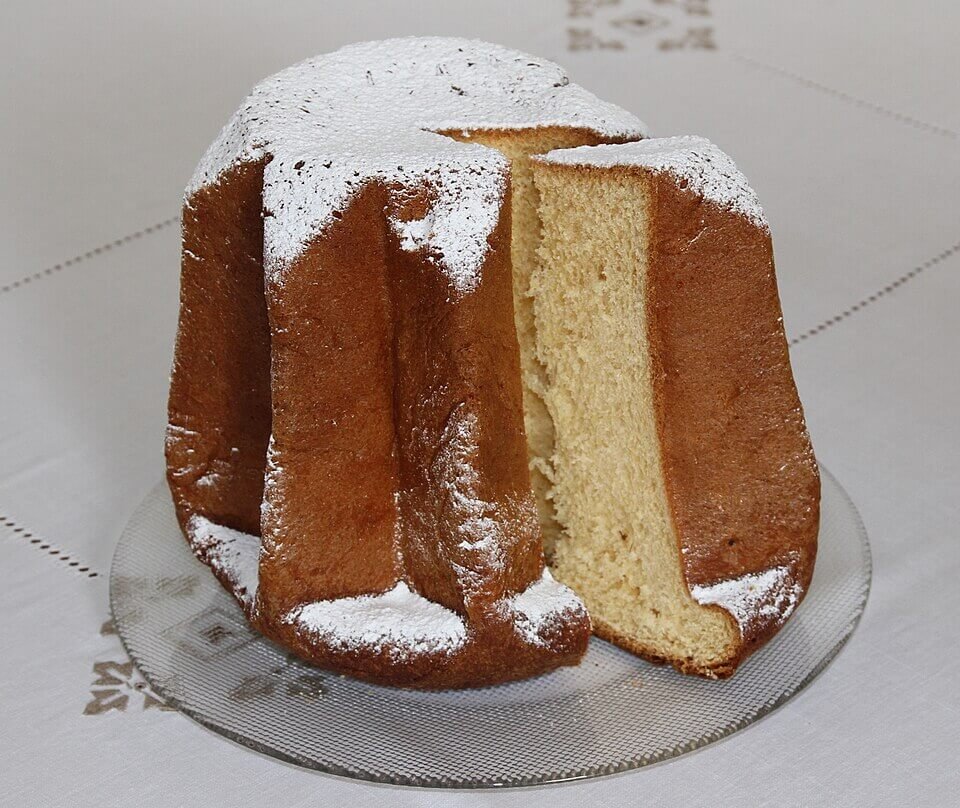
Anyway, back to pandoro. Its name is a nod to its rich colour and luxurious dough, made with flour, eggs, sugar, butter, cocoa butter, and natural yeast. Though some trace its lineage as far back as ancient Roman sweet breads, its most direct ancestor is the Nadalin, a thirteenth-century Veronese Christmas cake created to honour the ruling Scala family. Over the centuries, the recipe evolved, influenced by the Venetian “pan de oro” (here we go again), a Renaissance-era status symbol enriched with eggs to produce a golden crumb.
Pandoro as we know it today was officially born on October 14, 1884, when pastry chef Domenico Melegatti bucked the national stereotype by actually committing—to patenting his star-shaped masterpiece. Light, tender, and fragrant, pandoro is most famously served dusted with vanilla-scented icing sugar — the snowy Alpine peak of the dessert world.
If you want to elevate it even further, try gently warming it in the oven before serving. The butter melts slightly, the aroma deepens, and the entire star becomes a cloud of golden sweetness. It’s sinfully good.
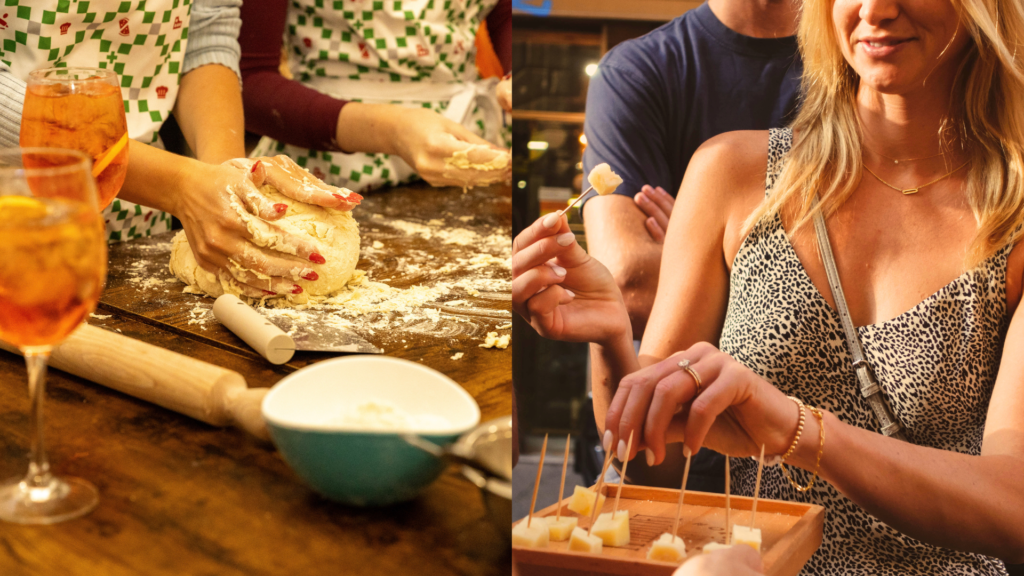
Oh, and if you want to taste authentic pandoro in Rome this festive season, come join our cooking classes where we’ll be serving it!
Calories – & Whether We Should Even Be Asking 🥴
It feels almost rude to talk about calories at Christmas. December is a season in which calories do not count — and as every good Italian Catholic would tell you, it’s better to sin first and ask forgiveness later.
Still, you might be surprised to know that panettone is generally less calorific than pandoro:
- Pandoro packs 390–410 calories per serving
- Panettone typically falls around 330–360 calories
Despite its airy texture, pandoro is richer due to extra butter and eggs. Panettone may feel heavier because of the fruit, but in caloric terms, it’s the lighter contender.
But Which Do Italians Prefer?
According to nationwide data — not just the opinions of a couple of my friends paired with “vibes” — the winner of the Panettone vs Pandoro debate is clear:
🥇 Panettone
- 46% of Italians prefer panettone
- 37% favour pandoro
17% swerved the question entirely and chose other regional Christmas sweets
Gender-wise, men lean even more strongly toward panettone. Pandoro, however, enjoys unwavering loyalty among its devoted fans.
My Personal Pick
As for me? I cast my vote for panettone. Maybe it’s because I’ve been to several panettone festivals while I’ve never heard of pandoro equivalents, or maybe I just can’t resist a pear and chocolate-studded panettone to kickstart (or conclude) my day during the festive season.
In the end, the answer is delightfully unsatisfying: neither is objectively better. Panettone is festive, fruity, and traditional. Pandoro is buttery, elegant, and celebratory. The true winner is simply the one you reach for first on Christmas morning. But whichever side you choose, choose boldly. After all, no one ever made holiday memories by being moderate.
Visiting Rome? Come and Cook with Us!
The best way to immerse yourself in a culture is through its food, and few cuisines are as rewarding as Italian — or, more specifically, Roman!
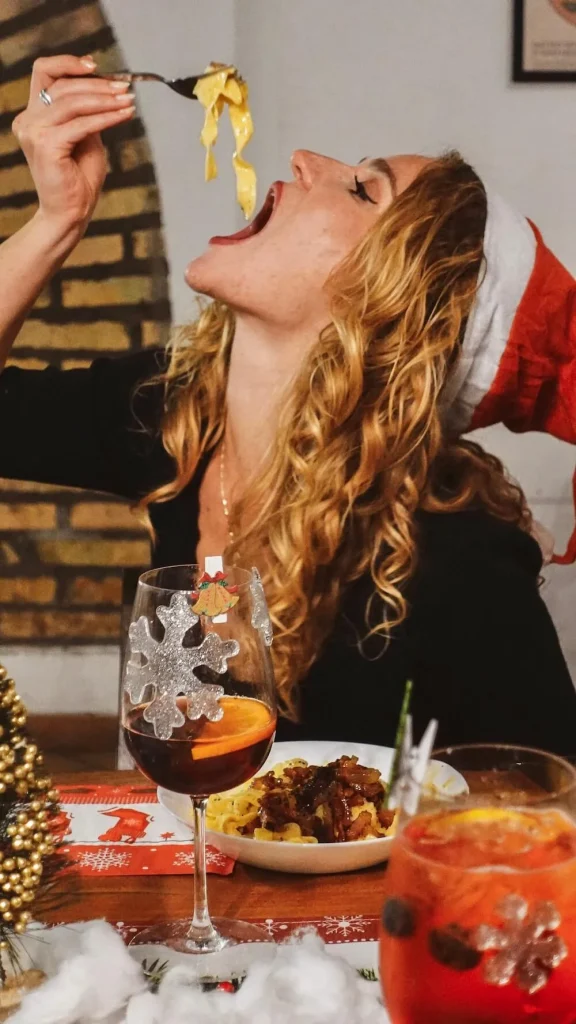

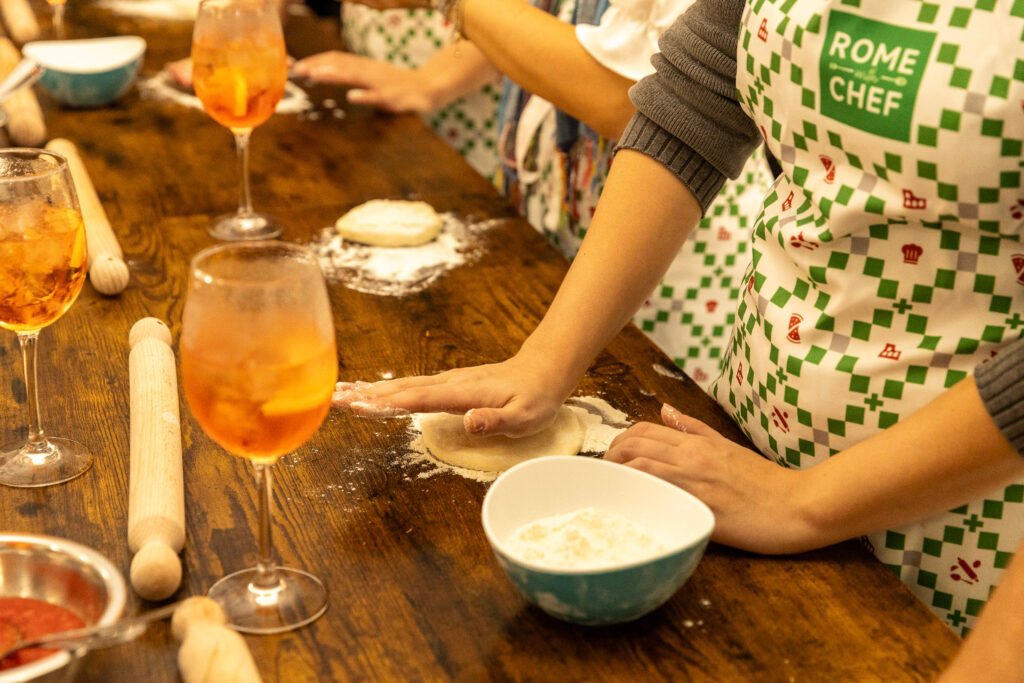
Want to try your hand at making homemade pasta and creamy tiramisù? Check out our small-group Pasta & Tiramisù Cooking Class!
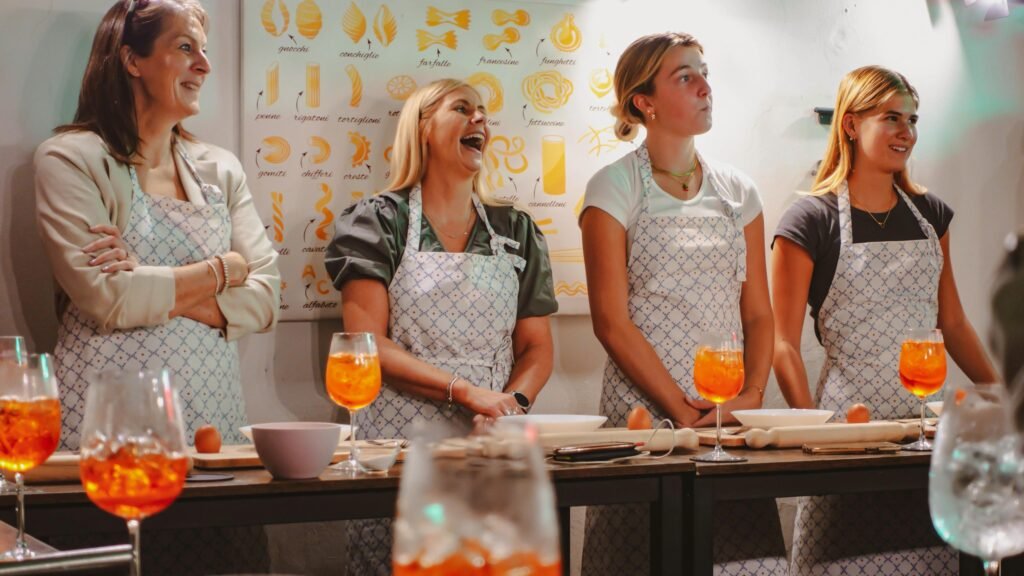
In the mood for something more boozy? Don’t miss our Spritz & Spaghetti Class and enjoy three Italian cocktails while learning to master the pasta!
Check out our cooking classes and book soon to secure your spot!