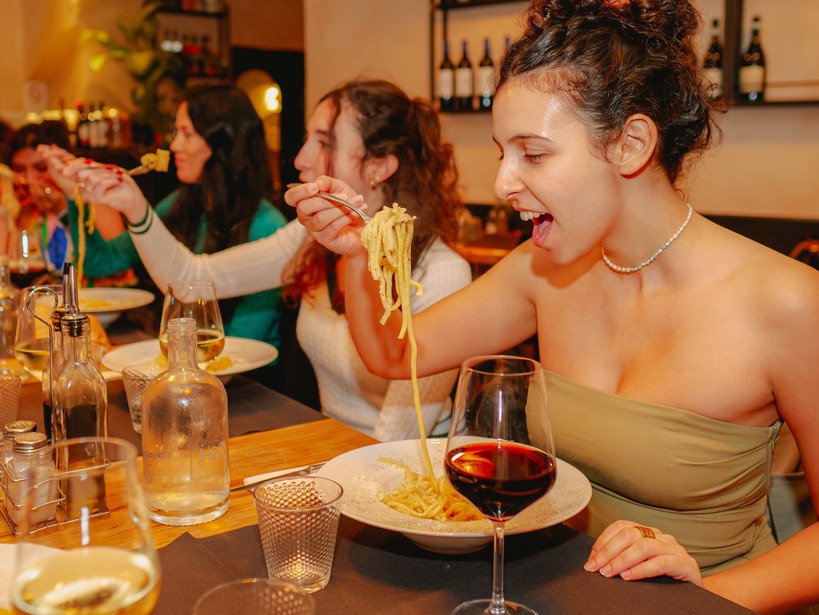


Italian food is internationally acclaimed as being among the best in the world, and Italian desserts are no different. After all, who doesn’t love to indulge in the occasional gelato or Christmas panettone, or round off a dinner with a creamy panna cotta or dreamy tiramisù.
It might surprise you, however, to learn that there is no such thing as Italian cuisine. 😱 Italians pride themselves on their regional identities, and each of Italy’s 20 regions boasts its own culinary history composed of unique ingredients, flavours and dishes. Let’s embark on a delectable journey through these regions, exploring traditional Italian desserts, from North to South, one sweet bite at a time.
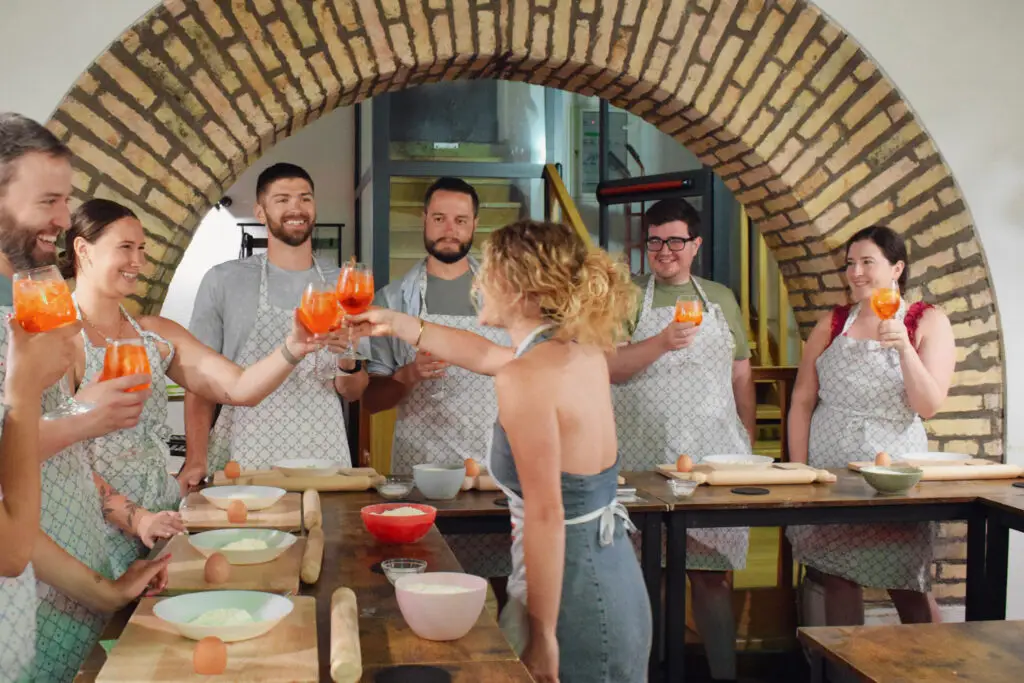
😋 Visiting Rome? Come try your hand at real Roman cooking on our Pasta and Tiramisù Class!
Panna Cotta (Piedmont)
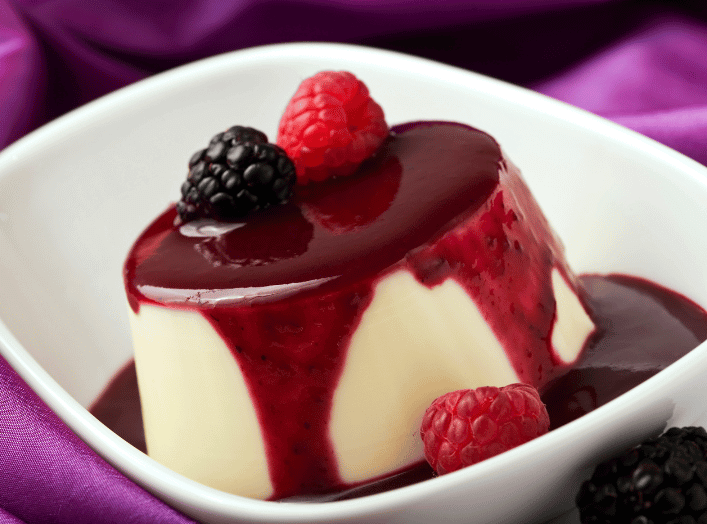
Hailing from one of Italy’s northern region of Piemonte, Panna Cotta, translating to “cooked cream,” is a silky, creamy dessert set with gelatin and often accompanied by berry coulis or caramel.
This sweet treat originated in the fertile hills of the Northern Italian region of Piedmont, which is renowned for its dairy produce and fabulous wines and is the birthplace of Italy’s Slow Food movement.
While panna cotta is a relatively modern dessert by Italian standards, its elegance and taste have quickly made it iconic. What makes it so special is its simplicity, meaning that the difference between good panna cotta and great panna cotta all boils down to the ingredients.
Zabaione (Piedmont)
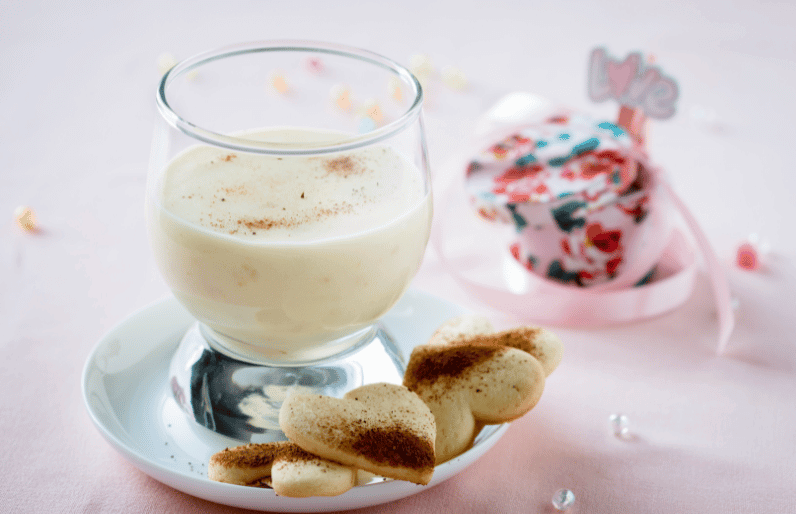
Zabaione, sometimes spelled zabaglione, is a light, frothy dessert made from whipped egg yolks, sugar, and sweet wine (typically Marsala).
Its creamy, airy texture combined with the rich taste of Marsala wine makes zabaione a dessert that’s both luxurious and comforting. But the sixteenth-century origins of this traditional Italian dessert are rooted not in comfort but in conflict, with legend telling of zabaione being a nourishing tonic for warriors owing to its rich, energetic qualities.
Panettone (Lombardy)
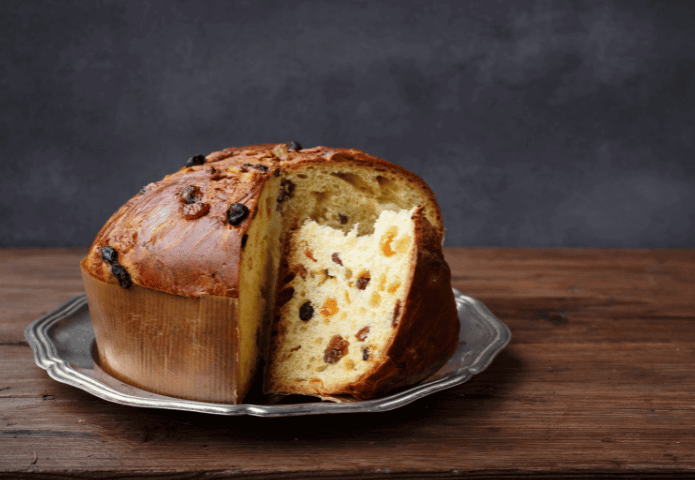
Traditionally enjoyed during Christmas and New Year, panettone is a seasonal staple consisting of sweet, dome-shaped bread loaf dotted with raisins and candied orange, lemon zest, and citron.
Panettone originates from the northern region of Lombardy, whose capital, Milan, is often regarded as its birthplace. There are two versions of its origin story, both of which take us back to the fifteenth century. The first concerns a baker named Toni who accidentally invented this festive bread — hence the name “Pane” (bread) “di Toni.” The second concerns a young man who fell in love with the daughter of a baker (also conveniently called Toni) and baked him this sweet bread as a gesture of intent.
What makes Panettone so special is its soft, fluffy texture combined with bursts of candied fruits. If you’re visiting Italy around Christmas, see if you can attend any panettone festivals near you so you can get to try the country’s best.
Tiramisù (Veneto)
Translating from the Italian for “pick me up”, tiramisù is a creamy, indulgent dessert layered with coffee-infused savoiardi biscuits and mascarpone cheese. Its delicate taste and soft texture have made it one of the most recognized and imitated Italian desserts in the world.

While its precise origins are often debated, most stories pinpoint its birth to the 1960s in the Veneto region. But over time, the popularity of tiramisù spread, with variations cropping up across the country. What makes good tiramisù great is a balanced combination of coffee bitterness, creamy mascarpone, and cocoa powder. This Italian dessert’s multifaceted layers offer a symphony of flavours with every bite.
😋 Visiting Rome? Come and cook with us in our Pasta and Tiramisù Class!
🍕 Looking for family-friendly fun? Come and cook with us in our Pizza and Tiramisù Class!
Pandoro (Veneto)
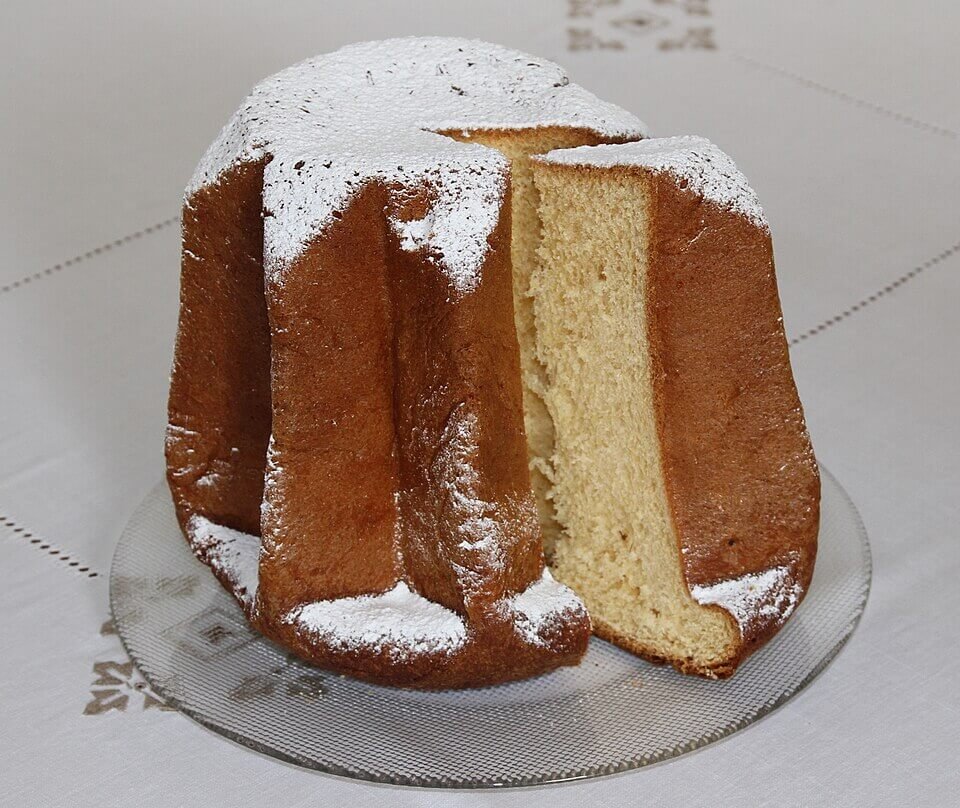
Hailing from Verona, and not to be confused with Pandora — though once opened it carries a similar risk of irresistible indulgence — pandoro is a tall, star-shaped sweet bread whose golden interior lives up to its name (“pan d’oro,” or bread of gold). Its light, buttery crumb and subtly vanilla perfume make it a beloved Christmas staple across Italy. Traditionally, a sachet of vanilla-scented icing sugar accompanies every pandoro, meant to be sprinkled over the cake so it resembles the snow-covered Alpine peaks that inspired its design.
While most people dust it and dive right in, there’s a simple trick that elevates pandoro from delicious to unforgettable. One of my Italian students swears by gently warming the cake in the oven for a few minutes before serving. The heat revives the butter-rich dough, releasing an aroma reminiscent of a pastry shop at dawn. Once warmed, the pandoro becomes even softer and more fragrant: an experience so sumptuous that you’ll wonder why anyone ever eats it cold.
Although pandoro and its cousin panettone dominate Italian Christmas tables—Italians consume well over 117 million of these festive cakes every year—the holiday season is far from a sugar-only affair. Sweet treats share the spotlight with beloved savoury dishes such as ricotta and spinach manicotti, popular throughout the northern regions, and brovada e muset, the tangy turnip-and-sausage classic that highlights Austria’s culinary imprint on Veneto.
🎄 Visiting Rome this Christmas? Come and try pandoro in one of our cooking classes!
Gelato (Various Regions, but mainly Tuscany)
Believed to have been invented in Florence by Bernardo Buontalenti, gelato is denser and milkier than ice-cream, its global counterparts. Every region, town, or even street in Italy might boast its signature gelato flavour, showcasing local ingredients. And flavours can range from the sublime to the seemingly ridiculous (basil flavour, which is actually much tastier than it sounds).

Though enjoyed across Italy, cities like Florence and Rome are considered hubs for authentic gelato artisans. Visiting Rome or Florence? Immerse yourself in their cuisine through our award-winning food tours.
→ Book your Award-Winning Rome Food Tour
→ Book your Private Florence Food Tour
What sets great gelato apart from merely good gelato is its intense flavour and smooth texture. Made with less air and fat than traditional ice cream, it offers a more concentrated taste, making every scoop a rich experience.
Biscotti (Tuscany)
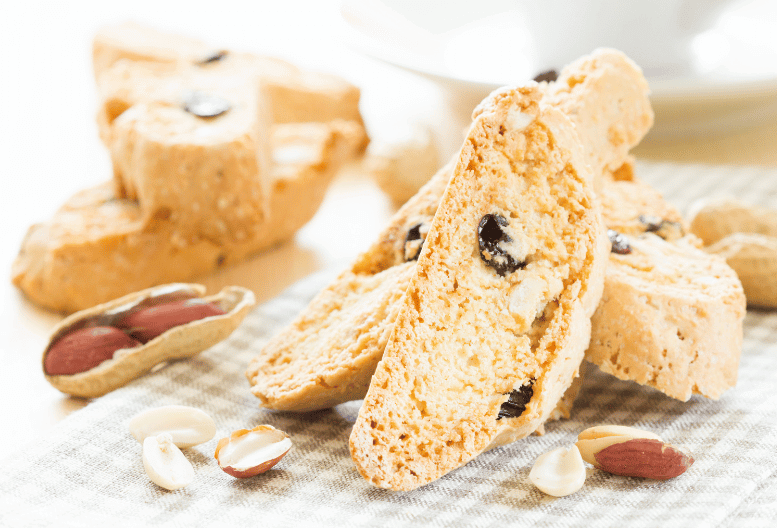
You’ve probably never thought about the origins of the word biscuit. But it might interest you to learn that the word comes from the Italian biscotti, which means ‘twice baked’ and describes the methods used to make this sweet treat.
Traditional Tuscan almond biscuits are called cantuccini and are dry, crunchy and the perfect dipping partners for sweet Vin Santo or coffee. We believe that biscotti originated in this region during the time of ancient Rome, and were valued for their long shelf life, often accompanying travellers and soldiers on long journeys.
What makes these Italian desserts so special are their crunchy texture, nutty flavour and wide variety. Just be aware that Italian biscotti are dry, and so you’ll want a drink to go with.
Sfogliatella (Campania)

You have most probably seen sfogliatella before, though if you haven’t tried it you’re seriously missing out. Literally meaning “thin layer,” sfogliatelle are pastries filled with ricotta, citron zest, and orange-flavoured ricotta. These crunchy, multi-layered delights are often likened to beautiful shells, both in appearance and texture.
Sfoglilatella comes from the southern region of Campania on the western coast of Italy, and captures the coastal flavours and textures with its intricate design. Visit Naples, the regional capital, to try true sfogliatella and get ready to lose yourself in sensorial ecstasy as the crispiness of the pastry combines with the soft ooze of sweet ricotta.
Limoncello Tiramisù (Campania)
A Southern Italian twist on this Venetian classic, this version of tiramisù uses Limoncello instead of coffee, giving it a citrusy kick and refreshing summery taste.
This type of tiramisù comes from the sun-kissed region of Campania, where lemons grow abundantly.
What makes it so special is how the zesty Limoncello cuts through the creamy mascarpone layers, offering a light, tangy twist to classic tiramisù.
Cannoli (Sicily)
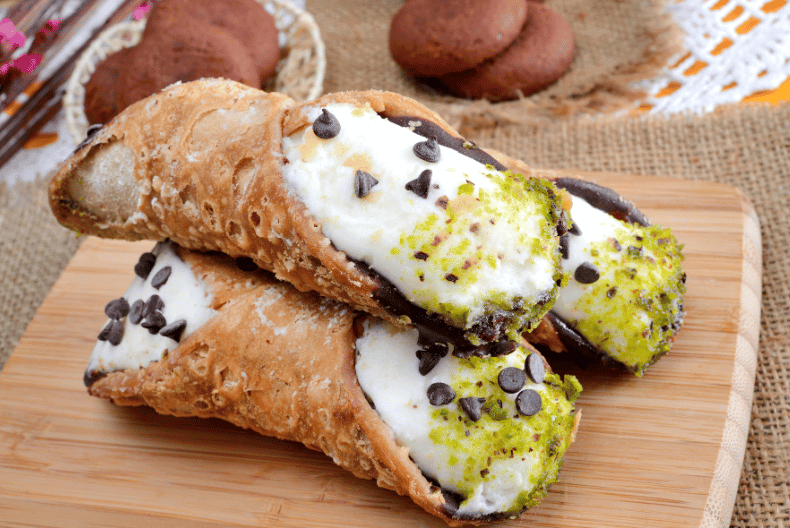
There cannoli be one winner for Sicilian dessert 🥹
We’re talking of course about tube-shaped shells of fried pastry dough filled with sweet, creamy ricotta. Dating back centuries, cannoli has become one of the most enduring symbols of sweet Sicilian cuisine and are beloved both in Italy and abroad.
Cannoli trace their roots back to Roman times, but they flourished under Arabic influence in Sicily. The dessert was traditionally prepared during the carnival season, symbolising fertility (apparently).
What makes cannoli so special are their contrasting but complementary textures, namely the crispy shell soft, sweet ricotta filling. While the best cannoli comes from Sicily, you’ll find plenty of Sicilian pasticceria (pastry shop) throughout the rest of Italy offering up these delicious sweet treats at reasonable prices.
Crostata (Various Regions)
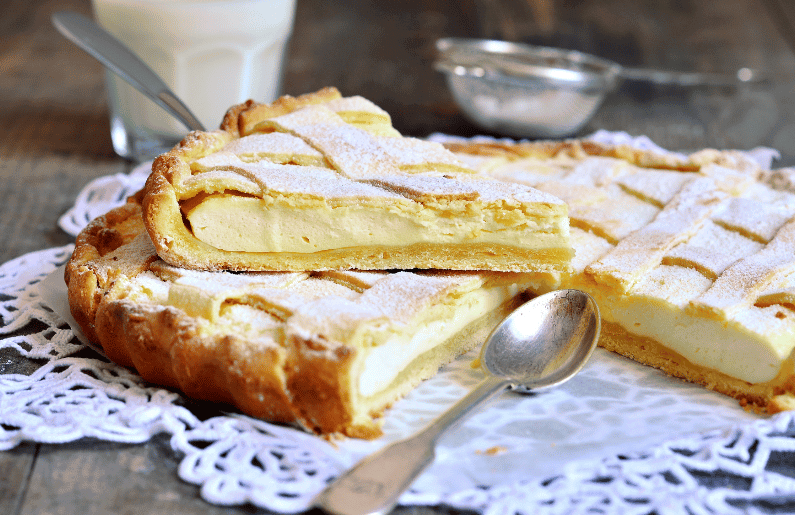
Crostata is a traditional Italian tart, usually adorned with jam or fresh fruits. Literally translating from the Italian ‘to encrust’, its crumbly, buttery crust and sweet filling or topping make it a beloved dessert and hardy perennial for many Italian households.
Though you can find crostata the length and breadth of Italy, each region lends its touch to the crostata, making it a diverse and ever-evolving dessert. What makes a good crostata great is the delicate balance between the buttery crust and the sweet filling, be it jam or fresh fruit. You can find decent crostate in Italian supermarkets, but visit a traditional bakery if you want to find the best.
Master Making Traditional Italian Desserts in Rome
People say that the best way to get to know a culture is to immerse yourself in its cuisine, and where better to do this than in the heart of the Italian capital.
Travellers like you rate our cooking classes among the best experiences in Rome on TripAdvisor, GetYourGuide, Airbnb & more.
Book yours today and come see what all the fuss is about!!